Culinary Methodologies
Structured Recipes.
Deconstructing meals into functional components. A reliable recipe is not about complex culinary techniques, but the consistent assembly of quality ingredients.
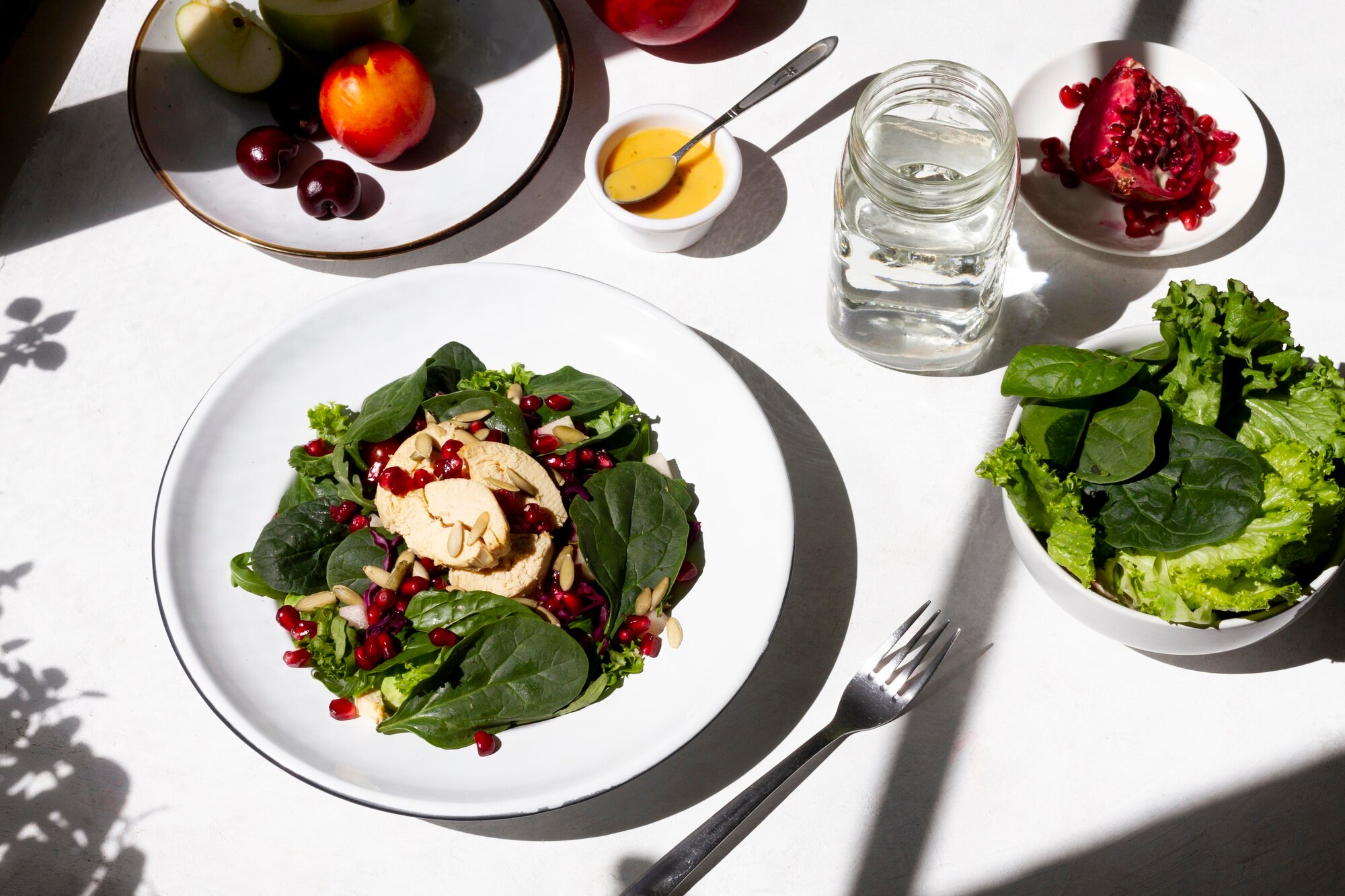
The Base Formula
Structural Base
Vegetables, leafy greens, or complex grains forming the volume of the meal.
Lean Proteins
Locally sourced poultry, fish, or plant-based alternatives providing necessary sustenance.
Functional Accents
Nuts, seeds, and specific fruits added for texture, flavor, and additional energy.
Preparation Guidelines
Thermal Restraint
Avoid over-exposing vegetables and certain proteins to high heat for prolonged periods. Gentle steaming or light searing preserves structural integrity.
Seasoning Profiles
Rely on robust natural herbs and spices native to your region instead of processed sodium or artificial enhancements.
Batch Assembly
Preparing base ingredients in advance reduces daily friction, ensuring that constructing a meal requires minimal cognitive effort.
Fruit Incorporation
When adding fruits to savory dishes (like citrus over fish or mango in salads), add them post-cooking to maintain their natural texture.
Sourcing Protocol
Proximity
Procure ingredients from sources as close to the point of origin as possible. Reduced transit time generally correlates with better retained quality.
Seasonality
Adapt recipes to feature ingredients that are currently in season. Forcing out-of-season produce often results in compromised taste and structural value.
Maintain the Standard
For further inquiries on structuring your dietary habits or detailed informational literature, contact our administrative team.
Access Inquiry Desk